
Allies Without Illusion
At Munich, the US signalled resolve; Europe signalled intent. The difference lies in who is truly building resilience

Hello and welcome back to States of Play, the newsletter and podcast exploring how the world is changing - from geopolitics to technology, from defence to demographics.
In today’s States of Play I discuss the impact of the Munich Security Conference and the latest from the war in Ukraine, including news of Russia’s deepening intent to destabilise Europe.
I’ll be back soon with more insights into the changing world order.
Many thanks for reading.
Sam
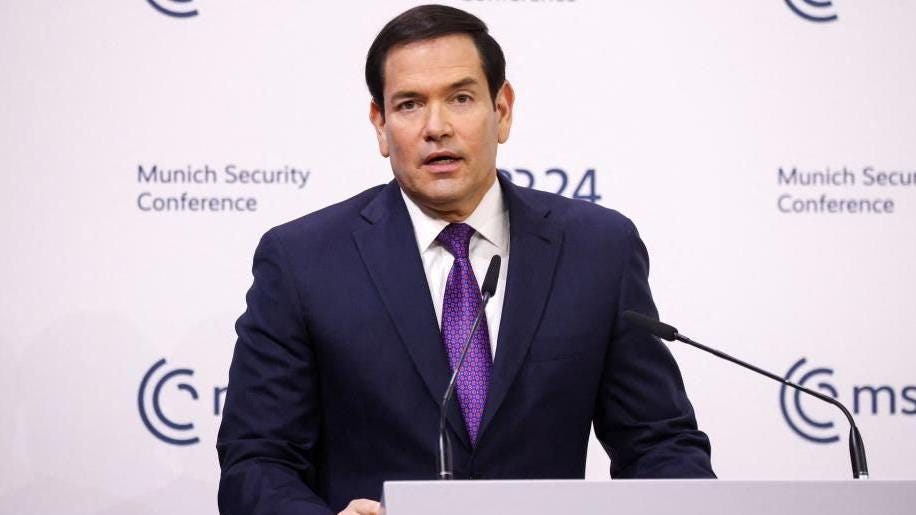
Are America and Europe Still Friends After All?
When Marco Rubio took the stage at last weekend’s Munich Security Conference, the atmosphere was attentive but nervous. But his message was precise, and welcomed: the United States remained committed to NATO. Europe, however, must produce more, spend more and assume more responsibility for its own defence. The emphasis was on numbers and capability rather than sentiment. It was a speech about deterrence, not destiny.
The contrast with last year was unmistakable. Twelve months earlier, J. D. Vance had widened the argument beyond burden sharing into a critique of European political culture, unsettling delegates who had come expecting strategic alignment rather than ideological friction. The shock of that intervention lingered long after the conference closed. Europe was forced to confront a possibility it had long preferred not to test: American guarantees might fluctuate with domestic politics.
Munich this year did not erase that memory. The tone from
